Key Takeaway:
✅ Medical Supervision is Key: Switching from Mounjaro to Ozempic should only be done under professional guidance to ensure safety and effectiveness.
✅ Close Monitoring: Expect some adjustments in your blood sugar levels. I recommend regular monitoring during the transition.
✅ Proper Injection Technique: Ozempic is taken once weekly with a prefilled pen. I provide detailed training for correct administration and site rotation.
✅ Understand Your Costs: Review your insurance coverage or self-pay options—many patients find Ozempic to be a cost-effective choice.
✅ Comprehensive Support: Virtual consultations allow me and my team to create a tailored weight-loss and diabetes management plan for your needs.
As a bariatric and metabolic surgeon, I meet many patients who ask whether they can switch from Mounjaro to Ozempic. Both medications are excellent tools for controlling blood sugar and supporting weight loss, but they work in slightly different ways. If you’re considering a switch, here’s what I believe every patient should know.
✅ Mounjaro (tirzepatide) is a once-weekly injection that works as a dual GIP and GLP-1 receptor agonist. This helps lower blood sugar, slows digestion, and often suppresses appetite, leading to weight loss.
✅ Ozempic (semaglutide) is also a once-weekly injection, but it acts only as a GLP-1 receptor agonist. It reduces blood sugar, improves insulin response, and slows gastric emptying.
Both medications are excellent for type 2 diabetes management and have proven benefits for weight loss — but choosing the right one depends on your health history, goals, and cost considerations.

When switching from Mounjaro to Ozempic, I recommend starting low and titrating up to reduce side effects such as nausea.
This gradual approach helps most patients tolerate the medication well and still see meaningful improvements in blood sugar and weight loss.
| Step | Dose | Duration | Purpose |
|---|---|---|---|
| Step 1 | 0.25 mg once weekly | First 4 weeks | Starter dose – allows your body to adjust, minimizes side effects (not meant for full blood sugar control). |
| Step 2 | 0.5 mg once weekly | Weeks 5–8 | Begin therapeutic dosing, improves blood sugar control. |
| Step 3 | 1 mg once weekly | After 8+ weeks | For patients who need additional A1c reduction or weight loss. |
| Step 4 (Optional) | 2 mg once weekly | Maintenance | Maximum approved dose if more blood sugar control or weight reduction is required. |
💡 Tip from Dr. Terushkin:
Start low and increase gradually. Most of my patients tolerate Ozempic very well when we take this step-by-step approach, and they start seeing weight loss and improved glucose levels within the first few months.

Choosing the right injection site is key to ensuring comfort, proper absorption, and consistent results. As a rule, Ozempic should always be injected subcutaneously (under the skin, not into muscle).

Rotate your injection sites each week to prevent skin irritation and ensure even medication absorption. For example, use the left thigh one week, right thigh the next, then switch to the abdomen.
In my opinion, switching from Mounjaro to Ozempic can be a safe and effective decision for the right patient, but it should always be done under medical supervision.
✅ Blood Sugar Monitoring: Expect some changes during the transition. I advise my patients to check their glucose more frequently in the first few weeks.
✅ Injection Technique: Ozempic is a once-weekly prefilled pen. My team and I train you on proper site rotation and storage.
✅ Individualized Dosing: Your prior Mounjaro dose matters when setting your starting dose for Ozempic.
✅ Cost & Coverage: Many insurance plans cover Ozempic, and it is often slightly more affordable than Mounjaro. We verify benefits before prescribing.
With telehealth, my patients can discuss medication options from the comfort of home. This means no time off work, no long commutes, and faster access to weight-loss prescriptions.
You can reach our Weight Loss Center via phone (786) 294-6054 or through the contact form available on our website.
Dr. Terushkin and his team are dedicated to providing personalized care and effective weight loss solutions tailored to your needs.

As with any GLP-1 medication, there are potential risks:
I always review your medical history carefully before prescribing.
Switching from Mounjaro to Ozempic can be the right move if you’re looking for better insurance coverage, a more affordable option, or if you experienced side effects on Mounjaro. The key is to make the switch with professional guidance to avoid complications and keep your blood sugar well-controlled.

Disclaimer:
This article is for educational purposes only and does not constitute medical advice. Switching from Mounjaro to Ozempic—or starting any prescription medication—should only be done under the supervision of a licensed healthcare provider. Individual results may vary based on your medical history, current medications, and lifestyle factors. Always consult your doctor before making changes to your treatment plan, adjusting doses, or starting a new medication.
Useful links:
⚖️ Regulatory & Safety Disclosure
FDA Status: Compounded Semaglutide and Tirzepatide are not FDA-approved. These are distinct, customized preparations and are not “generic” versions of Ozempic®, Wegovy®, or Mounjaro®. The FDA does not review compounded drugs for safety, effectiveness, or quality.
Sourcing: We utilize only FDA-registered 503B outsourcing facilities to ensure pharmaceutical-grade purity. Compounding is utilized to meet specific clinical needs or during documented national drug shortages.
Safety Warning: GLP-1 therapies require medical supervision. Potential risks include nausea, vomiting, and diarrhea. Serious risks include pancreatitis and a potential risk of thyroid C-cell tumors. Do not use if you have a personal or family history of medullary thyroid carcinoma (MTC) or MEN 2.
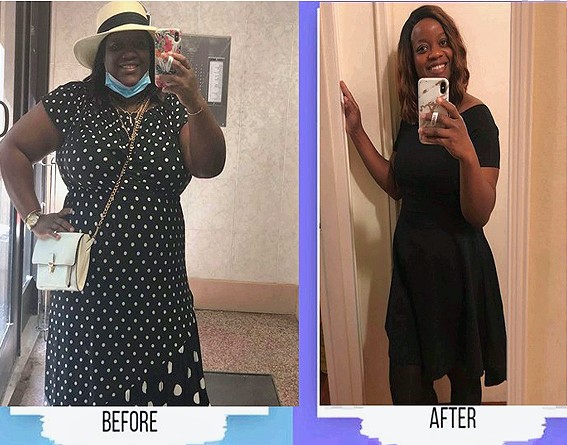
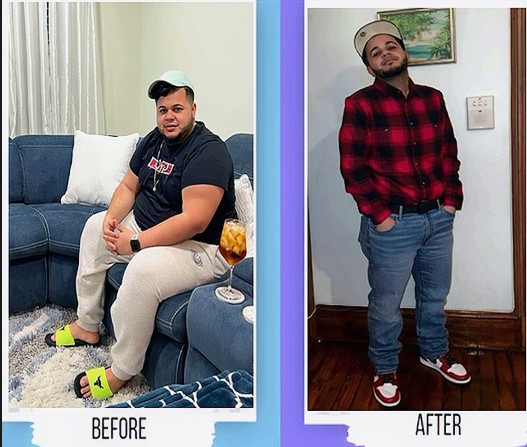
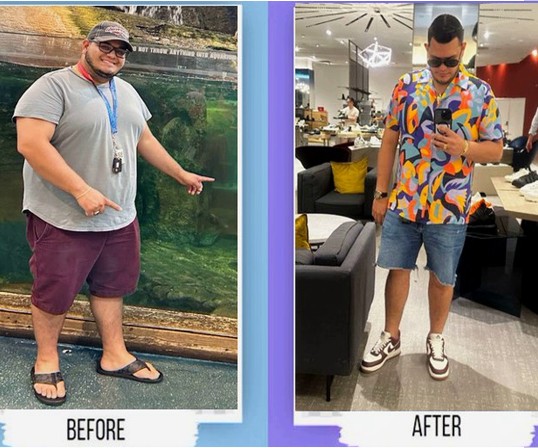
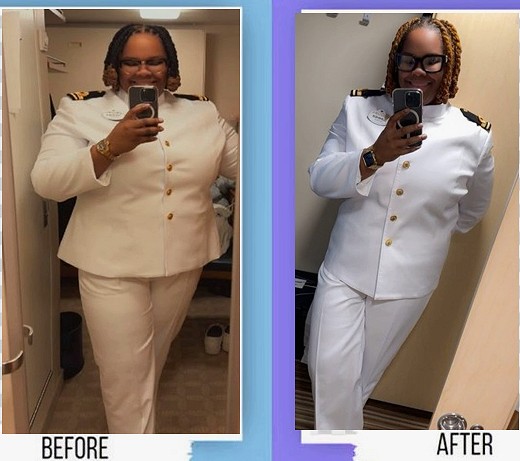
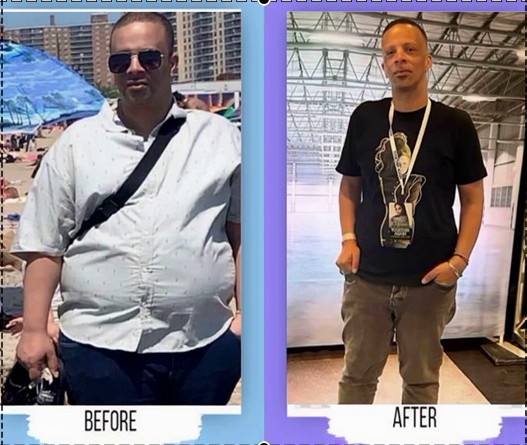
Real people, REAL RESULTS! Check out a few of the many people that we have helped reach their ideal weight goals over the years.