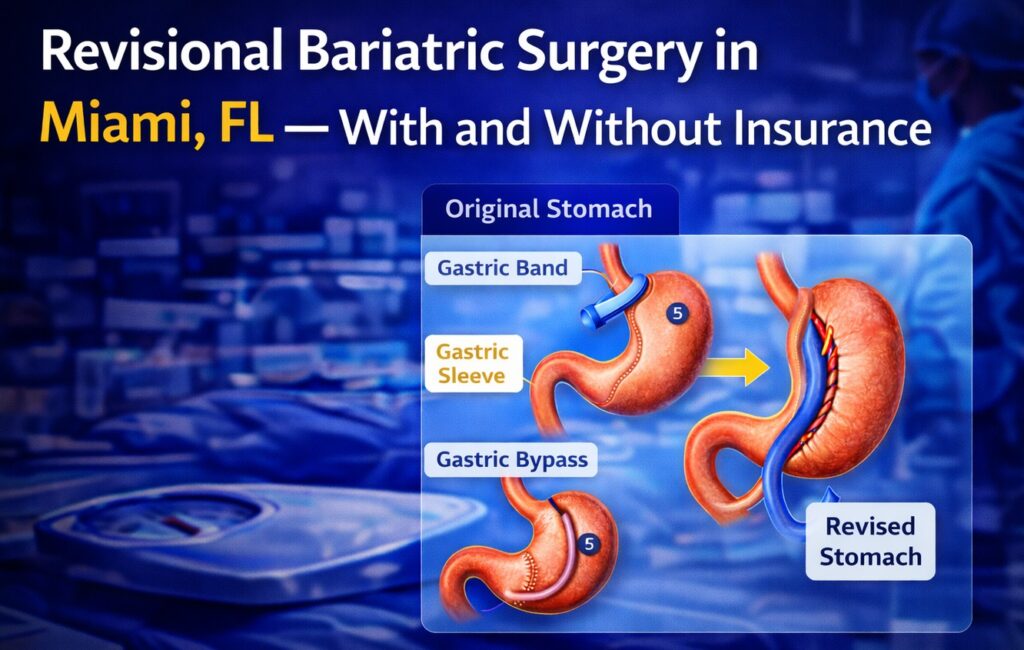
Revisional bariatric surgery is used to correct, improve, or convert a previous weight-loss procedure that did not deliver the expected results or caused complications. This may apply to patients who previously had a gastric band, gastric sleeve, gastric bypass, or mini gastric bypass and are now dealing with weight regain, reflux, swallowing problems, or other mechanical issues.
At Miami Bariatric and Plastic Surgery MD, revisional surgery is considered only after a careful evaluation. The goal is to identify why the first procedure stopped working well and determine whether revision is the safest and most effective next step.
Revisional bariatric surgery is a second bariatric procedure performed after a prior weight-loss surgery. It may be recommended when the original procedure led to complications, failed to produce enough weight loss, or no longer provides lasting control of obesity-related health problems.
Revision may involve repairing a prior surgery, converting one procedure into another, or using a minimally invasive endoscopic technique when appropriate.

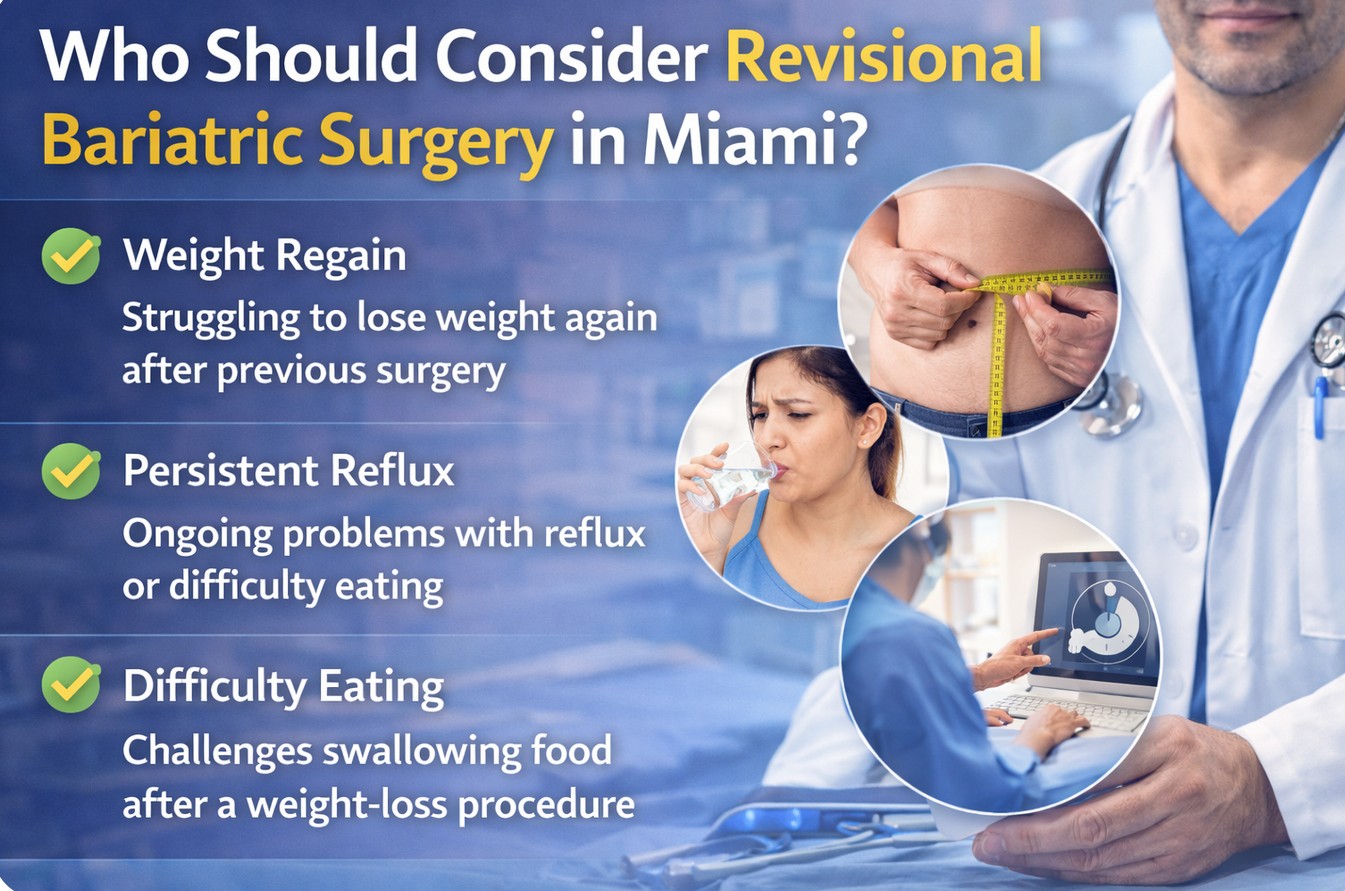
Some patients do well for years after bariatric surgery and then begin to regain weight or develop symptoms. Others may have mechanical issues that limit the success of the original procedure. Revision may be considered when there is evidence of:
There is no one-size-fits-all revision procedure. Treatment depends on the type of original surgery, the current anatomy, the patient’s symptoms, and the reason for failure. In some cases, revision means converting a sleeve to a gastric bypass. In other cases, it may involve repairing a previous procedure or using an endoscopic approach to reduce pouch size.
Every revision plan should be individualized. A detailed review of prior records, symptoms, eating patterns, and imaging or endoscopy findings is often needed before surgery is recommended.
Results depend on the type of revision performed and the reason it is needed. For the right patient, revisional bariatric surgery may help improve both weight-loss outcomes and quality of life.
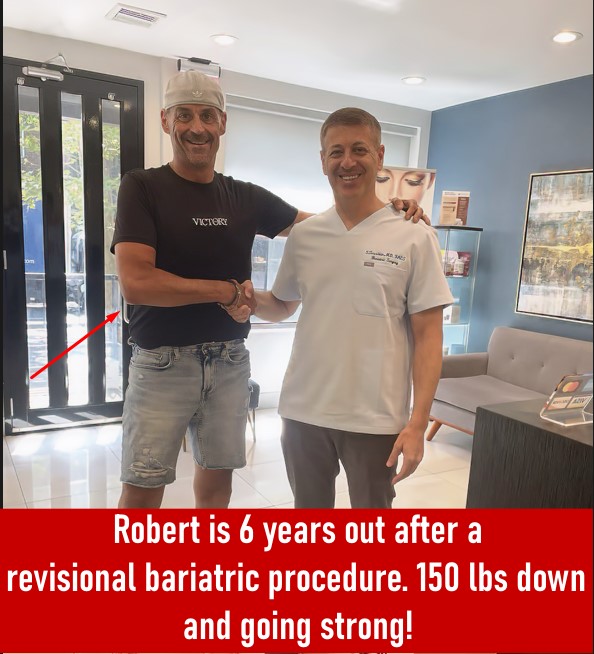
Revisional bariatric surgery is not only about the number on the scale. For some patients, the biggest benefit is relief from complications or better control of weight-related health conditions. After successful treatment, patients may see improvement in:
Yes. Revisional bariatric surgery is generally more complex than a first-time bariatric procedure. Because scar tissue, altered anatomy, and prior surgical changes may be involved, revision can carry a higher risk of complications than primary surgery.
Possible risks may include bleeding, infection, staple line leak, and the need to convert to an open procedure. That is why revision surgery should be performed only after a thorough medical and surgical evaluation.
Not always. Before recommending revision, the surgical team should evaluate all possible causes of weight regain or poor results. In some cases, nutrition habits, lifestyle patterns, or lack of follow-up support may be the main reason for stalled progress.
At Miami Bariatric and Plastic Surgery MD, patients may be asked to review their eating habits, activity level, and overall routine before revision is considered. Surgery is typically recommended only when a mechanical or anatomical problem is confirmed or when other appropriate options have been exhausted.
You may be a candidate for revisional bariatric surgery if you had a previous weight-loss procedure and are now struggling with weight regain, persistent reflux, difficulty eating, or complications related to the original operation. The best way to know is through a one-on-one consultation with an experienced bariatric surgeon.
Revisional bariatric procedures require a high level of surgical judgment and technical skill. Compared with primary bariatric surgery, revision cases are often more demanding and require careful planning. Choosing an experienced revision specialist can make a major difference in safety, procedure selection, and long-term success.
At Miami Bariatric and Plastic Surgery MD, Dr. Sergey Terushkin, MD, FACS, FASMBS, DABOM, DABS-FPMBS, evaluates each case individually to determine whether revision is appropriate and which option offers the best balance of risk and benefit.
If you are experiencing weight regain, chronic reflux, or complications after a prior bariatric procedure, revisional bariatric surgery may be an option. A comprehensive consultation can help determine the cause of the problem and the best path forward.
Schedule your consultation to discuss your revisional bariatric surgery options in Miami.
Call at (786) 294-6054 or Use Our Contact Form
This content is for educational purposes only and does not replace professional medical advice, diagnosis, or treatment. Revisional bariatric surgery involves meaningful risks and is recommended only after an individualized medical evaluation. Results vary from patient to patient and depend on clinical factors, procedure type, and long-term adherence to nutrition and lifestyle recommendations.
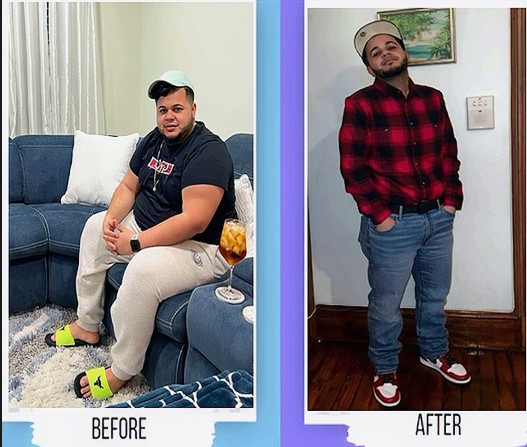
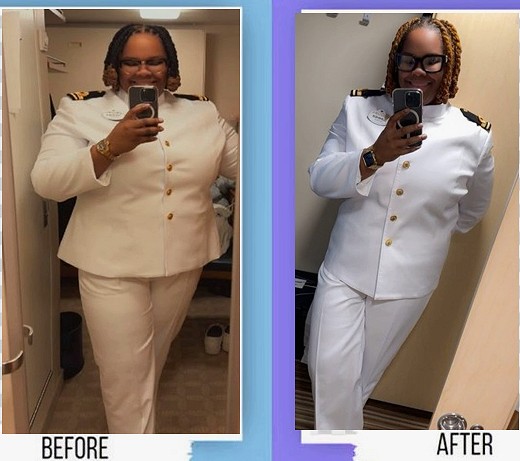
Real people, REAL RESULTS! Check out a few of the many people that we have helped reach their ideal weight goals over the years.