Although Bariatric surgery is the most effective method of weight loss, some patients will experience inadequate weight loss or weight re-gain which may need a revisional weight loss surgery to further reduce their weight. In some cases, issues may arise from the primary bariatric procedure over time and revisional surgery may be required to address these problems.
There are several reasons why a patient may need revision surgery including:
Your surgeon will review your case thoroughly to identify any factors that may contribute to an unsatisfactory outcome. It is important to remember that successful weight loss requires compliance and adherence to dietary and lifestyle commitments as bariatric surgery is only considered as an adjunct to these changes. After obtaining more information from the relevant investigations, your surgeon will discuss treatment options best suited to your specific condition.
If you previously had gastric sleeve surgery and require a revision it can be performed through a technique called endoscopic sleeve gastroplasty (ESG). This procedure is performed endoscopically accessing the stomach via the throat and is an outpatient procedure. The gastric sleeve revision is done through sutures that reduce the stomach size without having to use incisions or requiring a hospital stay.
If you have previously undergone gastric bypass surgery and require a revision the procedure is called a transoral gastric outlet reduction (TORe) and is used to repair or reconfigure the connection that links the stomach and small bowel.
Sometimes the surgeon can insert some sutures into the gastric outlet using an endoscope using zero incisions. After these stitches have been put in, patients get full faster so they stop eating and lose weight.
A gastric bypass revision performed endoscopically is an outpatient procedure and individuals can go home the same day with a fairly short recovery time.
The decision to undergo revision weight loss surgery is a major decision as it is considered a riskier surgery than first time weight loss surgery. Since every patient is unique, you will need to talk to your surgeon about options available for your particular situation based on your previous surgery and the options available for revision.
You are instructed to avoid eating or drinking after midnight before surgery. Ask a family member or friend to be with you at the hospital for support and comfort. Specific instructions will be given depending on the surgery being performed, but pre-operative Optifast diet will be needed.
We are an accomplished team of bariatric surgeons in South Florida where surgical excellence, cutting-edge technology, and individualized weight loss treatments are defining qualities of our weight loss clinics. We are committed to guiding our patients in Miami and all over the state to choose the right procedure for them and giving them the tools they need to achieve a healthy weight and sustain it. We look forward to being part of your weight loss journey.

About Dr. Sergey Terushkin
Sergey Terushkin is a board certified general and bariatric surgeon practicing in Miami, Florida and New York, NY. He earned his medical degree from Ross University School of Medicine, interned at North Shore-LIJ Health System, and completed his residency at Maimonides Medical Center. Dr. Terushkin specializes in minimally invasive and bariatric surgery having graduated a fellowship at Cleveland Clinic. He uses cutting edge technology and individualized patient care
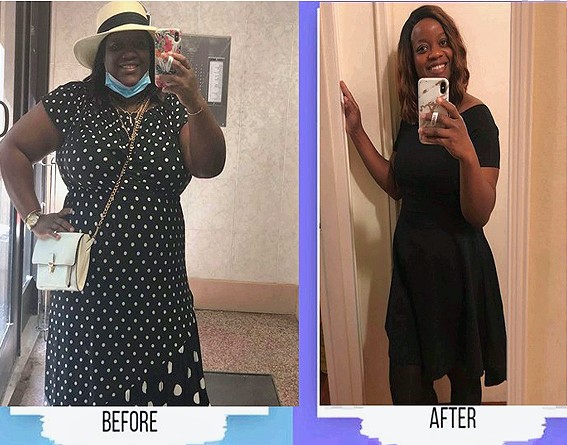
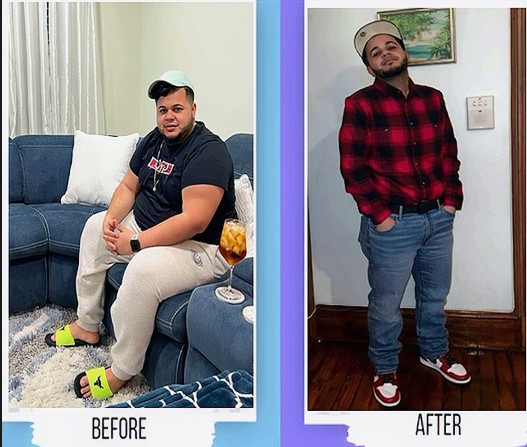
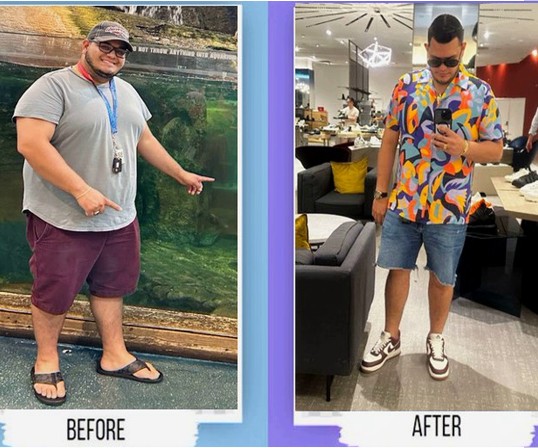
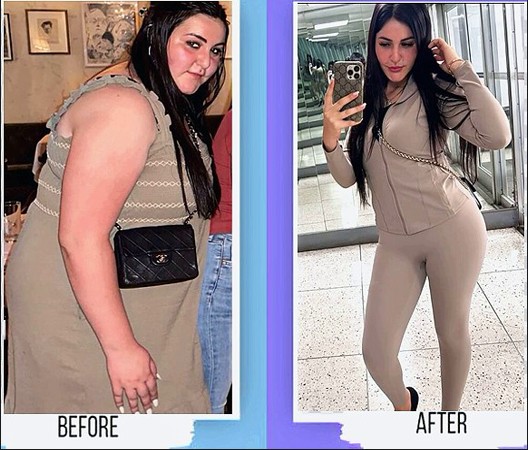
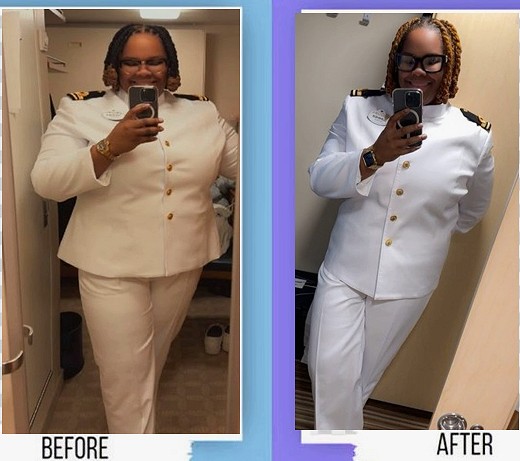
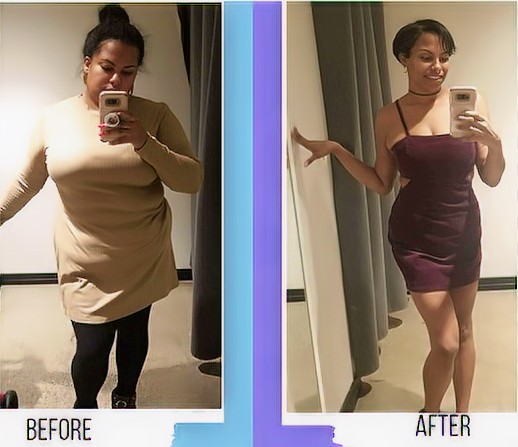
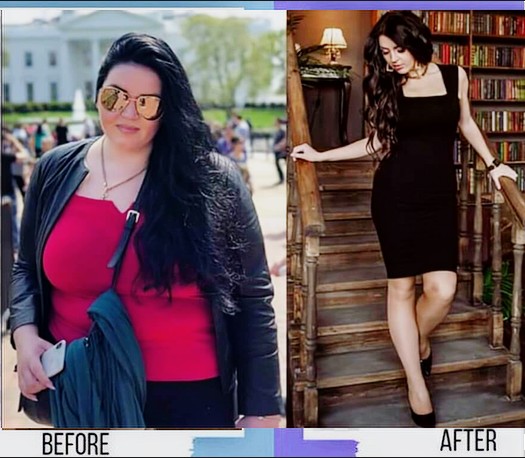
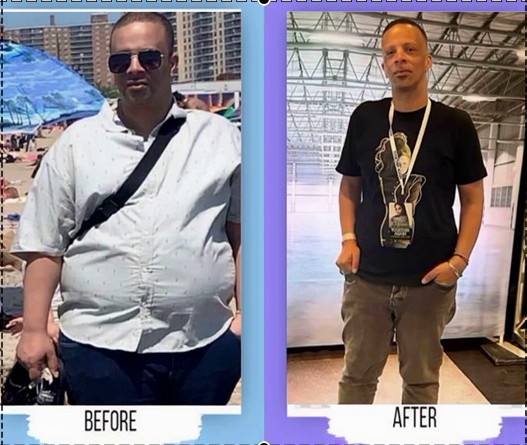
Real people, REAL RESULTS! Check out a few of the many people that we have helped reach their ideal weight goals over the years.