Author: By Dr. Sergey Terushkin, MD, FACS
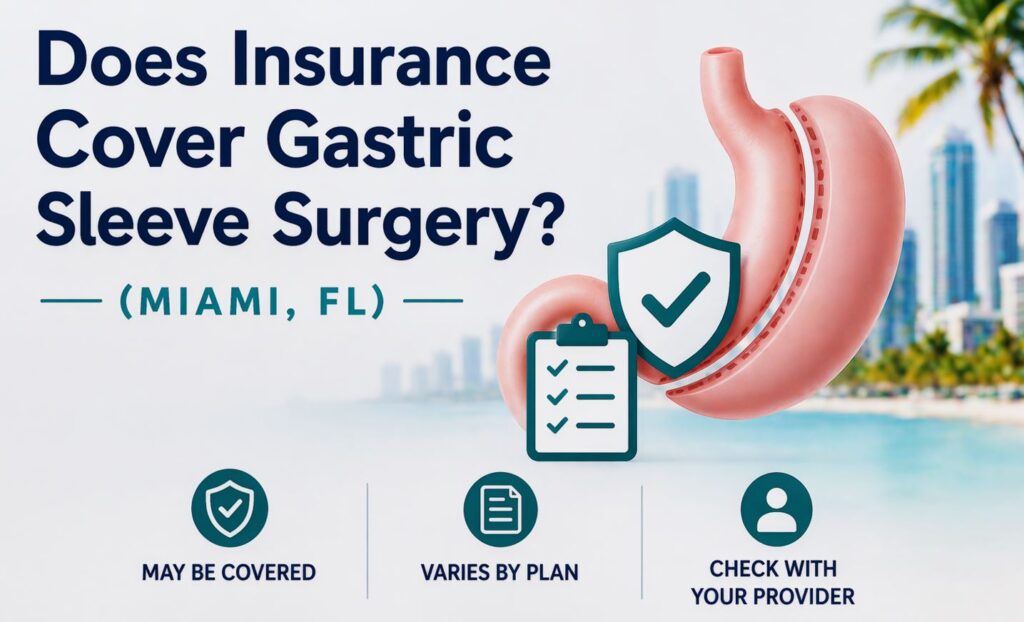
Struggling to decide when to take the leap into weight loss surgery because you are worried about the cost? Dealing with severe obesity and weight-related medical conditions is exhausting, and many patients across South Florida are unsure if their health insurance will cover the procedure they desperately need. At Miami Bariatric And Plastic Surgery MD, we break down everything you need to know about navigating insurance for your Gastric Sleeve (Sleeve Gastrectomy)—what’s covered, what’s required, and how our dedicated team helps you get approved.
✨ Gastric Sleeve surgery is widely considered a medically necessary treatment for severe obesity and metabolic disease.
✨ Many major insurance plans cover the procedure, provided you meet specific BMI and health criteria.
✨ We accept major networks, including BCBS, UHC, Aetna, Cigna, Medicare, and regional plans.
✨ If your employer opted out of bariatric coverage, we offer highly affordable self-pay packages and flexible financing.
✨ Our clinic handles the entire prior authorization process, from nutritional counseling to psychological clearance.
Patients across South Florida, including Miami, Hollywood, Hialeah, Aventura, and Doral, often ask the same questions:
Let’s break down the facts about Gastric Sleeve surgery and your insurance coverage.
This is the most common question we hear from patients exploring their weight loss options.
In reality, severe obesity is a complex, chronic metabolic disease—it is not a lack of willpower. Because severe obesity directly causes life-threatening conditions like Type 2 Diabetes, hypertension, and sleep apnea, most health insurance companies classify Gastric Sleeve surgery as medically necessary.
“Bariatric surgery is a life-saving medical intervention, not a cosmetic procedure,” says Dr. Sergey Terushkin, MD, FACS. “By treating the root cause of metabolic disease, the Gastric Sleeve prevents a lifetime of expensive medical complications, which is exactly why major insurances provide coverage for it.”
We work hard to maximize your benefits and minimize your stress so you can focus on your health journey.
While network participation can vary based on your specific policy, we proudly accept a wide variety of major health insurance plans, including:
👉 In clinical practice, our administrative team will verify your exact benefits before your consultation. We will specifically check whether your employer’s plan includes bariatric coverage or opted for a “bariatric exclusion.”
Learn more about Gastric Sleeve surgery in Miami.
Even if bariatric surgery is a covered benefit on your plan, your insurance provider still requires clinical proof that you qualify.
To approve the surgery, they typically look for:
“Our goal is to make this seamless for the patient,” explains Dr. Terushkin. “We guide you through every single prerequisite, schedule your clearances, and handle the insurance paperwork so you don’t get overwhelmed.”

Some patients are devastated to learn their employer purchased a health plan that specifically excludes weight loss surgery, or they simply don’t have insurance at all. You do not have to give up on your health.
If you are uninsured or facing a bariatric exclusion, we offer transparent, affordable self-pay pricing.
👉 When you choose our self-pay route, you receive a clear, upfront quote that covers the surgeon’s fee, the surgical facility, anesthesia, and your post-operative care—with absolutely no hidden costs.
Gastric Sleeve surgery is medically appropriate for patients who:
At Miami Bariatric and Plastic Surgery, MD, patients from Miami Beach, Pembroke Pines, Coral Springs, and Plantation are evaluated individually to ensure the Gastric Sleeve is the safest, most effective next step for their unique anatomy.
Many patients feel overwhelmed by the healthcare system before they even schedule a consultation.
“Patients often come in exhausted by their weight loss struggles and frustrated by confusing insurance policies,” says Dr. Terushkin. “Our billing specialists step in to handle the heavy lifting, giving patients a structured, stress-free path to their surgery date.”
Gastric Sleeve surgery is:
✔ Medically necessary
✔ Covered by most major health insurances (if bariatric benefits are included)
✔ Crucial for resolving metabolic diseases like diabetes and sleep apnea
But most importantly:
👉 You shouldn’t let confusing insurance requirements keep you from living a longer, healthier life.
At Miami Bariatric and Plastic Surgery, we offer expert, minimally invasive weight loss surgery with comprehensive insurance and financing support.
📍 Serving: Miami, Hollywood, Hialeah, Miami Gardens, Aventura, Doral, Coral Springs, Miramar, Pembroke Pines, Plantation, Davie, North Miami, and Miami Beach.
📞 Call: (786) 294-6054

Yes. As long as your specific health policy includes bariatric benefits, insurance covers the Gastric Sleeve because it is a medically necessary procedure designed to treat severe obesity and metabolic disease.
A bariatric exclusion is a clause in some health insurance policies that allows employers to opt out of covering weight-loss surgery to save on premium costs. If your plan has an exclusion, surgery will not be covered, regardless of medical necessity, but you can use our affordable self-pay options.
This depends entirely on your insurance provider. Some plans require 3 to 6 months of documented, physician-supervised weight loss attempts before they will approve your surgery, while others only require a nutritional consultation.
Absolutely. Bariatric surgery is a qualifying medical expense, meaning you can use the pre-tax funds in your Health Savings Account (HSA) or Flexible Spending Account (FSA) to cover out-of-pocket costs, deductibles, or self-pay packages.
Still have questions? Below are additional answers covering more specific details about the gastric sleeve surgery and insurance.
Disclaimer: Bariatric surgery requires medical evaluation and supervision. Insurance coverage depends on your plan’s inclusion of bariatric benefits and its medical-necessity guidelines. Results vary, and this information is for educational purposes only. Always consult a licensed, board-certified surgeon to determine candidacy and treatment options.
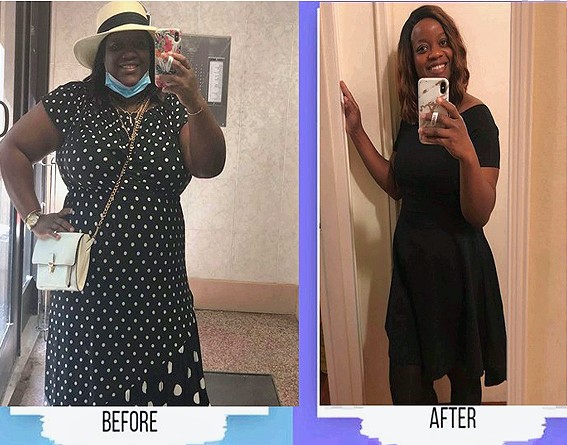
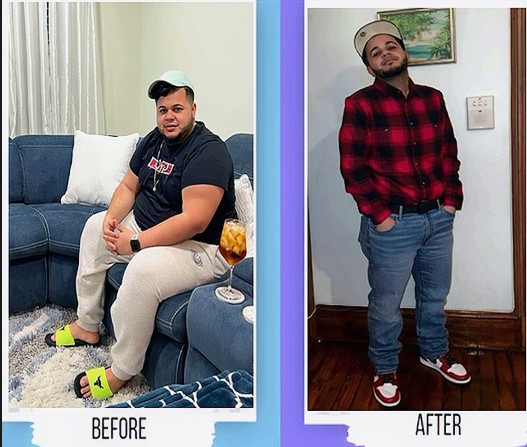
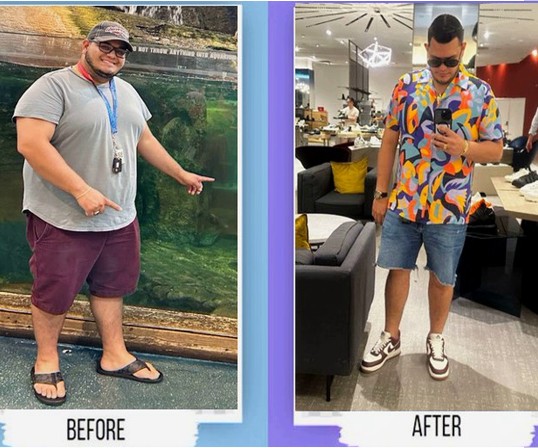
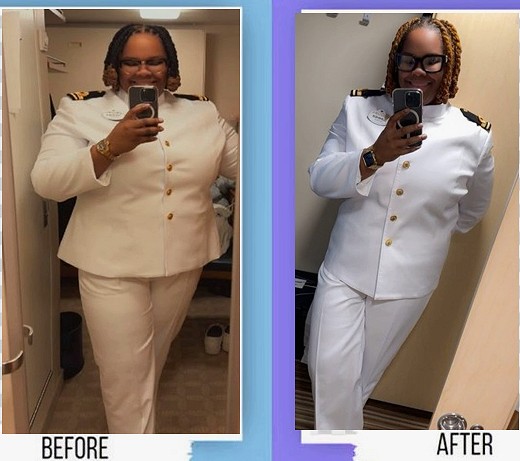
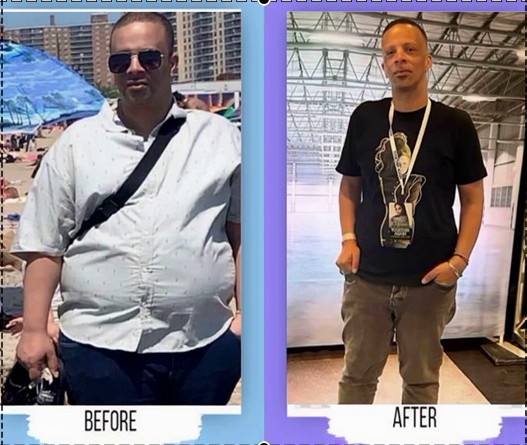
Real people, REAL RESULTS! Check out a few of the many people that we have helped reach their ideal weight goals over the years.